|
Guest post by our gardener, Barb Tewell:
Trees
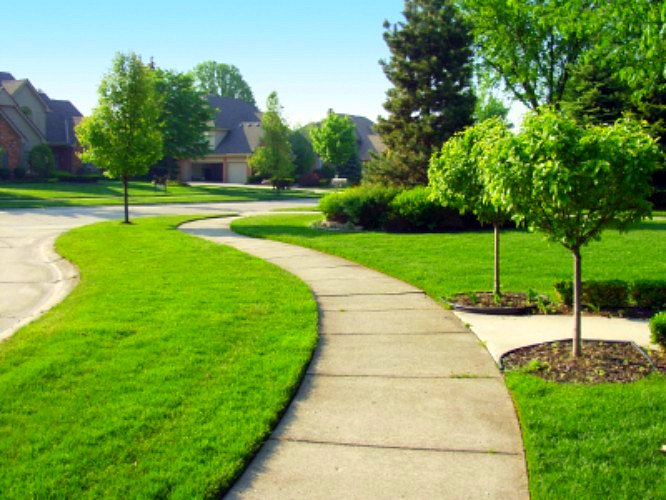
Trees that are in your yard less than 18 months need a deep watering once a week. Those that are established or are native can survive a mild drought but during a more severe drought can use a good drink at least every 2-3 weeks. It is important to water at the drip line, which is the outer most limits of the limbs and foliage. This is where the root tips are and will take up the most water. Watering and mulching at the trunk is not helpful. Many trees, especially native trees will lose larger leaves and allow small twigs and branches to die off. This is Mother Nature pruning her trees.
Lawns
Lawn care now means soaking the lawn once a week– not sprinkling it several times a week! Mow in the evening before the dew settles with sharp blades and at the proper height. Do not apply fertilizers during droughts or extreme heat.
Shrubs
Any shrubs that look “ill”, water only – do not fertilize. Check for insects and if an insecticide is required, read the label, as most should not be applied when temperatures exceed 80 degrees.
Read or Post Comment(s)
Guest post by our gardener, Barb Tewell:
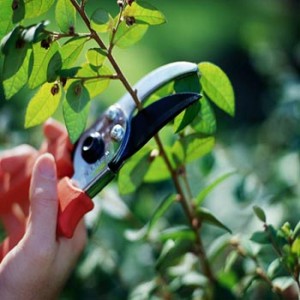 Keep flowering plants deadheaded and pruned; this maintains the shape of the plant and encourages more flower production. Remove seedpods from rhodies, magnolias, and other shrubs to promote stronger leaves and structural growth.
Staking and pruning tomatoes pays off with bigger, more abundant fruit. Staked plants produce fruit weeks earlier than ones allowed to lie on the ground. Leaves must get sun to produce sugar which makes the fruit. Suckers that grow between the branches and main stem reduce the amount of sunlight that can reach the other leaves. Simply pinch out these suckers and tie up your plant as it grows. Staked plants dry off quicker preventing the formation of molds and disease. Finally, about 30 days before frost, remove the top growth of the plant above any fruit! This directs all sugar production into the last tomatoes of the season – I know this is hard but then, spring will be just around the corner.
Read or Post Comment(s)
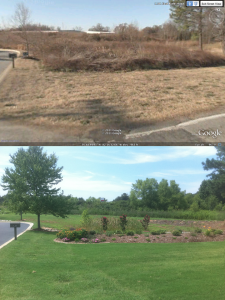 Wow! Check out the before and after shots of our flower garden. We took on the project in the Spring of 2011 and I forgot how far we’d come. It looks good! =)
(click to enlarge)

Read or Post Comment(s)
Guest post by our gardener, Barb Tewell:
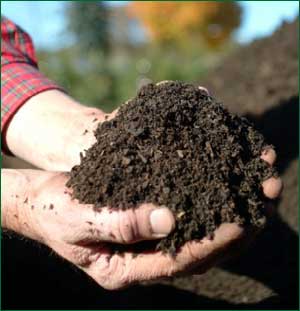 Green plus brown is Black Gold and so easy to acquire. Nature gives us a chance to make compost as all dead plants rot – it is so simple. Use your imagination to make a compost area – it can be enclosed or just an inconspicuous mound in your yard.
- Running the mower over yard waste shreds the material as one layer (nice to add 3 times as much brown or dry material as green or fresh kitchen waste if possible)
- Kitchen vegetable waste, eggshells, coffee/tea grounds as another layer (no meat by-products, please)
- Water to keep the pile moist but not soaked
- Turn pile weekly to keep it cooking as internal temperatures can reach over 140 degrees.
- Continue to add over the winter as all will decompose as spring approaches.
You will be amazed at how quickly this “recipe” becomes a valuable organic addition for your garden.
Read or Post Comment(s)
 Did you know Dr. Thomas is pilot? He finished his certification back in 2007 and instrument rating in 2009. He flies regularly as a hobby, but recently partnered with Pilots N Paws Rescue.
Pilots N Paws is a non-profit organization that finds new homes for dogs and other animals. Then they connect the animals with pilots for transportation.
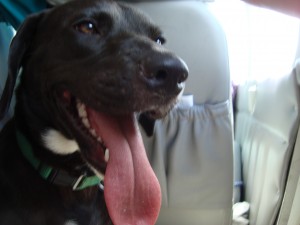
Last Friday Dr. Thomas flew Pookie and her last pup, 5 week old Moe, to Fayetteville, NC. Moe was the final survivor of the litter and on the way to his new home. Pookie will be spayed before moving on. Both were so cute and great little fliers. Quiet and no “accidents”. 😉

Read or Post Comment(s)
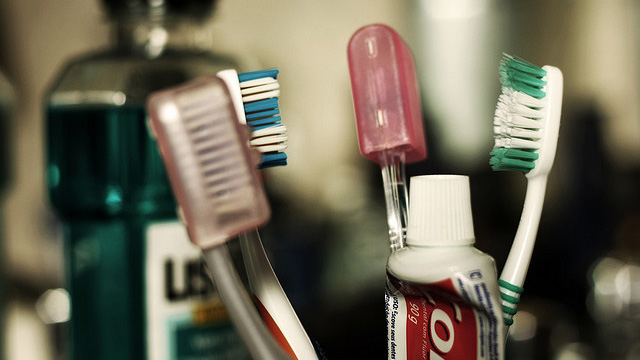
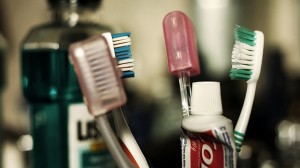 Aside from the obvious social implications, getting a bit lax on brushing your teeth can lead to more than just cavities. The same bacteria that causes tooth decay’s been linked straight to heart disease, or even stroke, and it’s more than just coincidence that “plaque” is used to describe both the stuff in your mouth, and the stuff clogging in your arteries.
It may not be severe enough to really notice, but lax brushing can cause inflammation of the gums, which usually tends to result in bleeding as well. If there’s bleeding, then there’s a route for bacteria to take into your bloodstream, and people who are already at risk for heart conditions or arthritis could be making things worse for themselves later on by not brushing well enough.
Brushing regularly and well helps keep plaque and bacteria off teeth, but, as Deepak Chopra notes, “teeth make up only about 20% of the surface area in your mouth”—so people who think that brushing alone is enough are sorely mistaken. It really is important to both floss, as well as use some sort of antibacterial rinse, because that other 80% of your mouth can quickly dwarf the freshly cleaned 20%, and reverse any progress made there.
Continue reading more…
Not Just for Cavities | Lifehacker
Weekly Health Tip: New Reasons to Brush and Floss | Aol Healthy Living
Read or Post Comment(s)
|